
Receding Gums Treatment: Causes, Options & Costs (2026)
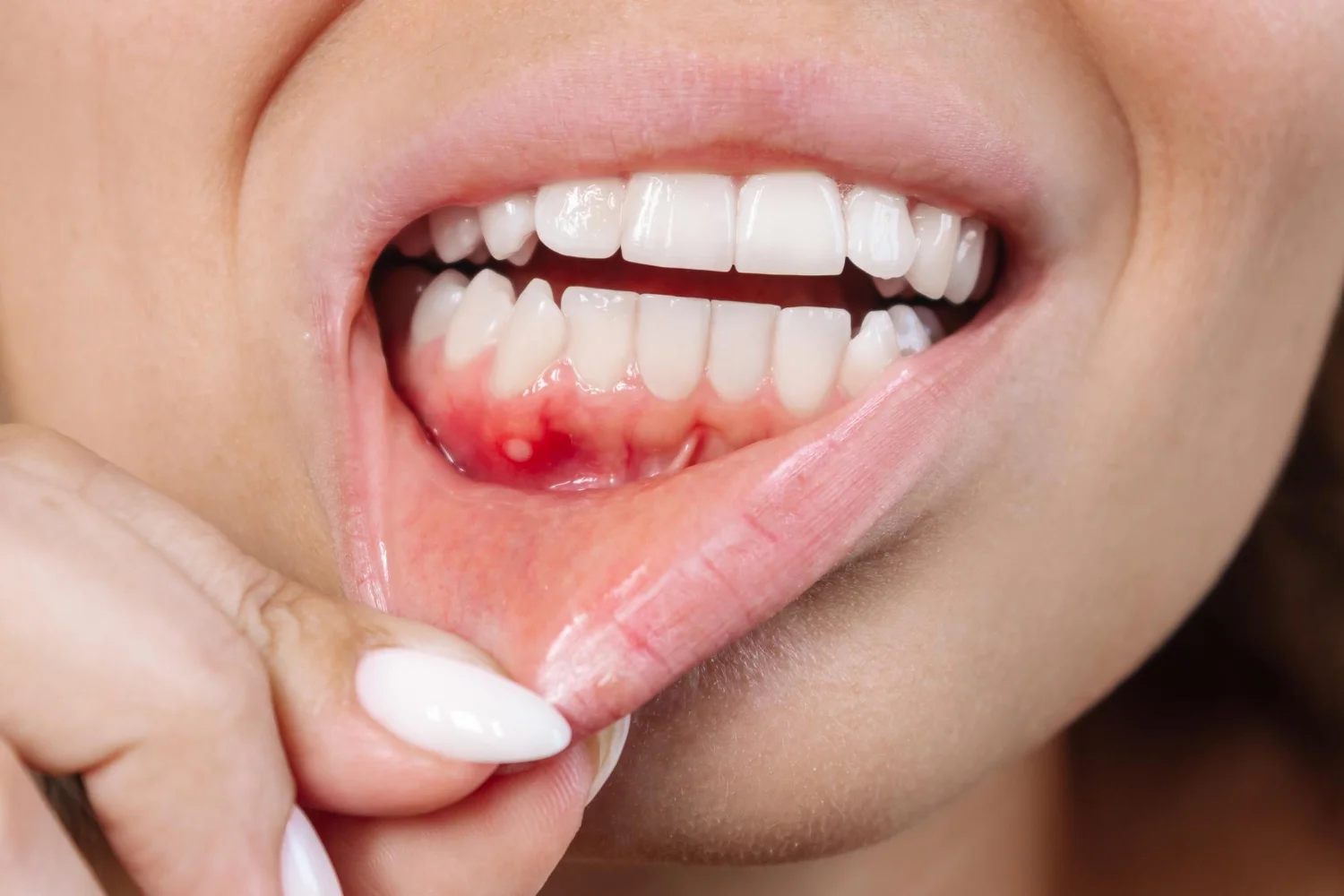
Receding gums treatment in the UK ranges from non-surgical deep cleaning and specialist hygiene therapy at the earlier stages, through to minimally invasive gum graft techniques such as the Pinhole Surgical Technique for more advanced cases.
The right treatment depends on how much recession has occurred, whether active gum disease is driving it, and how visible the exposed root surface is.
Receding gums are one of the most common dental concerns, yet many people do not realise they have the condition until it has progressed significantly. Early warning signs include teeth looking longer than usual, sensitivity to hot and cold, a visible step at the gum line, and small food traps appearing between the teeth.
If you have noticed any of these signs, this guide covers exactly what causes gums to recede, the stages of progression, every private specialist treatment option in the UK, typical costs in 2026, and when surgery is genuinely needed versus when less invasive options will solve the problem.
What Are Receding Gums?
Receding gums occur when the gum tissue surrounding your teeth gradually pulls back, exposing more of the tooth surface or even the tooth root. This process can happen slowly over years, which is why many patients do not notice it until a dentist points it out or sensitivity develops.
Gum recession is not just a cosmetic concern. Once the root surface becomes exposed, teeth are more vulnerable to decay, sensitivity, and in severe cases, loosening or loss. The good news is that effective treatments exist for every stage of recession.
What Do Receding Gums Look Like?
Recognising receding gums early gives you the best chance of preventing further damage. Common visual signs include:
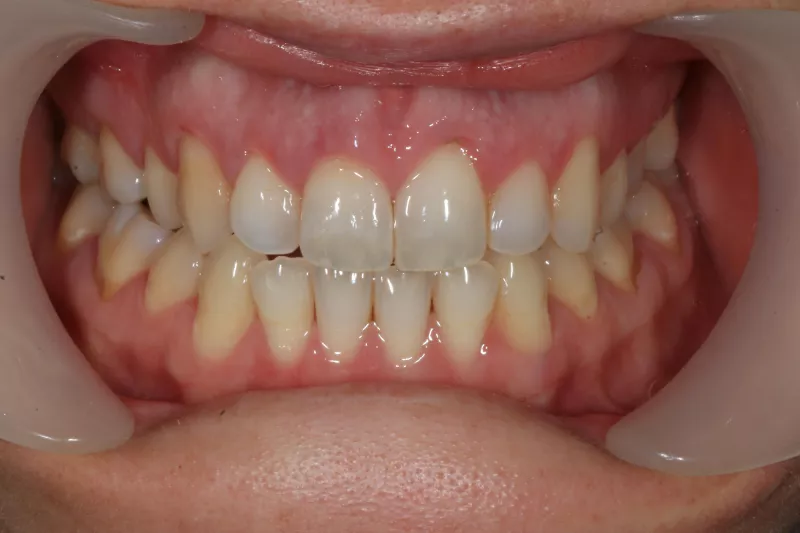
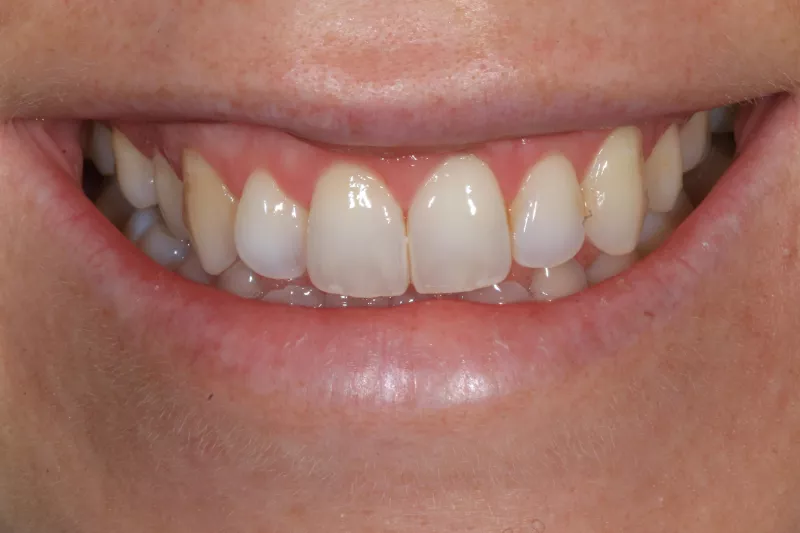
- Teeth that appear longer than they used to
- A visible notch or ledge where the gum meets the tooth
- Yellowing near the gum line (exposed root surface is darker than enamel)
- Gaps appearing between teeth that were not there before
- Gum tissue that looks thin, red, or pulled away from the tooth
If you notice any of these signs, it is worth having a professional assessment. Early-stage recession is far easier and less costly to treat than advanced cases.
What Causes Receding Gums?
Several factors can contribute to gum recession, and in many cases more than one is involved:
1. Gum disease (periodontitis) – the most common cause. Bacterial infection destroys the gum tissue and supporting bone over time. If left untreated, gum disease progresses and recession worsens. Read our gum disease treatment guide for more information.
2. Aggressive brushing – using a hard-bristled toothbrush or brushing too forcefully wears away gum tissue. This is one of the most preventable causes.
3. Teeth grinding (bruxism) – clenching or grinding puts excessive pressure on the gums and supporting bone, leading to gradual recession.
4. Genetics – some people are more prone to gum recession regardless of their oral hygiene. If close family members have experienced recession, your risk is higher.
5. Hormonal changes – fluctuations during puberty, pregnancy, and menopause can make gums more sensitive and susceptible to recession.
6. Tobacco use – smoking and chewing tobacco reduce blood flow to the gums, making them more vulnerable to disease and recession.
7. Misaligned bite or teeth – teeth that do not come together evenly create unequal forces on certain areas, which can lead to localised recession.
Expert Tip: If you brush twice daily with a soft-bristled toothbrush and still notice recession, the cause is likely something other than brushing technique. A periodontist can identify the specific factor and recommend targeted treatment.
Stages of Receding Gums
Gum recession progresses through distinct stages, and the treatment approach depends on how far it has advanced:
Stage 1 – Early recession – slight gum line change, often painless. May be visible only to a dentist. Typically manageable with improved oral hygiene and professional cleaning.
Stage 2 – Moderate recession – noticeable gum line shift, mild sensitivity to hot or cold. Root surfaces may be partially exposed. Non-surgical treatments like deep cleaning (scaling and root planing) are usually effective at this stage.
Stage 3 – Advanced recession – significant root exposure, increased sensitivity, and visible gaps between teeth. Surgical options such as gum grafting or the pinhole technique may be required.
Stage 4 – Severe recession – extensive root exposure with potential bone loss. Teeth may feel loose. Requires specialist periodontal intervention, potentially including bone grafting alongside gum tissue restoration.
Identifying which stage you are at is important because it directly determines the treatment options available and the likely cost.

Receding Gums Treatment Options
Treatment for receding gums ranges from simple preventive measures to specialist surgical procedures, depending on the severity.
Non-surgical treatments:
1. Professional cleaning (scaling & root planing) – a deep clean below the gum line to remove bacteria and tartar that contribute to recession. Often the first line of treatment for early to moderate cases.
2. Desensitising agents – applied to exposed root surfaces to reduce sensitivity. These provide symptom relief but do not reverse the recession itself.
3. Orthodontic correction – if misalignment is contributing to recession, straightening the teeth can reduce uneven forces and slow further gum loss.
Surgical treatments:
4. Gum grafting – tissue is taken from the roof of the mouth (or a donor source) and attached to the receding area. This is the traditional surgical approach and has a strong success rate.
5. Pinhole surgical technique – a minimally invasive alternative to grafting. A small hole is made in the gum tissue, and the existing gum is repositioned to cover the exposed root. No grafting, no sutures, and faster recovery. TKC Dental offers the Chao Pinhole® gum treatment for suitable candidates.
6. Waterlase laser treatment – laser technology used alongside other treatments to reduce bacteria, promote healing, and minimise discomfort during the procedure.
Helpful Tip: The pinhole surgical technique is a newer treatment for receding gums in the UK that avoids the need for gum grafting. Not all dental practices offer it, so check with your periodontist whether you are a suitable candidate.
Do Receding Gums Grow Back?
This is one of the most common questions about gum recession, and the honest answer is: no, receding gums do not grow back on their own.
Once gum tissue has been lost, the body cannot regenerate it naturally. However, that does not mean the condition is untreatable. Professional treatments can restore gum coverage over exposed roots, protect against further recession, and significantly improve both the appearance and health of your gums.
Early-stage recession can often be stabilised through professional cleaning and improved oral hygiene, preventing it from progressing further. For moderate to advanced recession, surgical options like grafting or the pinhole technique can restore lost tissue and protect the tooth root.
Can receding gums be reversed? Not by themselves, but with the right treatment they can be effectively repaired.
See a Before & After Example Below
Receding Gums Treatment Cost in the UK
The cost of receding gums treatment in the UK varies depending on the severity and the type of treatment required:
| Treatment | Typical UK Cost Range |
|---|---|
| Professional deep cleaning (per session) | £130 – £250 |
| Periodontal assessment | £150 – £250 |
| Non-surgical periodontal therapy | £400 – £800 |
| Gum grafting (per area) | £500 – £1,500 |
| Pinhole surgical technique | £1,000 – £2,000 |
| Periodontal surgery | £1,000 – £2,500 |
These are general UK ranges. Costs vary by location, the experience of the periodontist, and how many areas need treatment.
At TKC Dental, our periodontist consultation costs £190. Non-surgical periodontal therapy starts from £650, and the pinhole technique and periodontal surgery start from £1,500. Adjunctive Waterlase laser sessions are available from £325 – Interest free payment options are available.
Frequently Asked Questions – Receding Gums
Below are answers to the most common questions patients ask about gum recession.
Receding Gums Treatment in London
If you are experiencing gum recession and looking for specialist treatment in London, TKC Dental offers expert periodontal care at our clinics in Kensington and Knightsbridge.
Our periodontist uses the latest techniques including the pinhole surgical approach and Waterlase laser therapy. These minimally invasive treatments mean less discomfort and faster recovery compared to traditional gum surgery.
Whether you need a diagnosis, preventive care, or surgical treatment, our team can assess your case and recommend the most effective approach for your specific situation.
Receding Gums Treatment: Summary & Next Steps
Receding gums are one of the most common – and most overlooked – dental issues in the UK. The condition is typically painless in its early stages, which is why many people only notice it once teeth start looking longer or cold drinks become uncomfortable. Left unchecked, gum recession can expose tooth roots, increase decay risk, and eventually contribute to tooth loss.
The good news is that there’s a clear treatment pathway at every stage, from professional deep cleaning for early cases to minimally invasive options like the pinhole technique for more advanced recession. Costs in the UK vary widely depending on severity and treatment type, so getting an accurate assessment is the single most useful step you can take.
Here are the essential points every patient should remember:
- Receding gums do not grow back on their own – but professional treatments can restore lost tissue and protect exposed roots
- Gum disease is the most common cause – along with aggressive brushing, genetics, and teeth grinding
- Treatment depends on the stage – from professional cleaning for early cases to surgical options like grafting or the pinhole technique for advanced recession
- UK costs range from £130+ for a deep clean to £2,500 for periodontal surgery – depending on the severity and type of treatment
- Prevention is possible – soft-bristled brushing, regular dental visits, and addressing grinding habits can slow or prevent further recession
If you have noticed changes in your gum line or are experiencing increased sensitivity, a professional assessment is the best place to start. Early intervention almost always means simpler, cheaper treatment and better long-term outcomes.
A periodontist can measure the severity of recession, identify the underlying cause, and recommend the least invasive option that will actually work for your case.
Receding Gums Treatment at TKC Dental
TKC Dental in Kensington and Knightsbridge offers the pinhole surgical technique and Waterlase laser therapy for receding gums. If you have noticed changes in your gum line, book your periodontist consultation today.
Information Sources
Pinhole Surgical Technique for Recession (Journal of Periodontology)
BSP UK Clinical Practice Guidelines for Periodontitis (British Society of Periodontology)
Long-Term Pinhole Technique Results (Journal of Periodontology)
See the Results: Gum Treatment Before & After Gallery
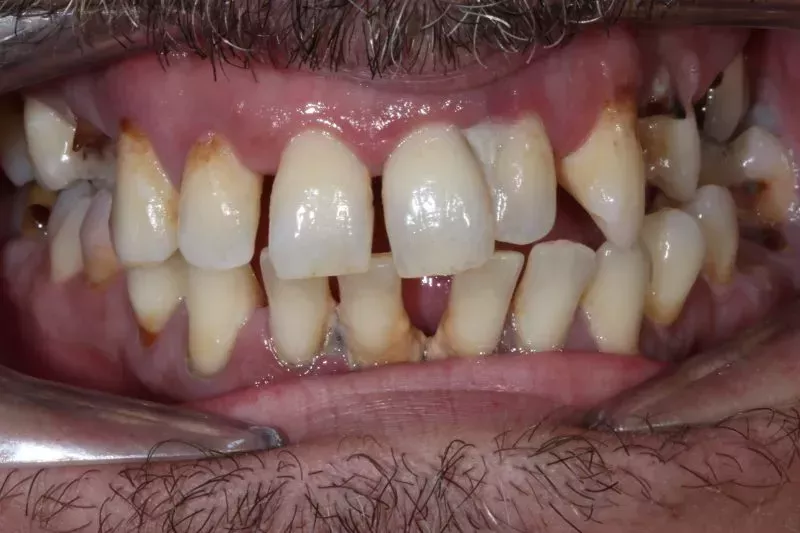
Explore our smile gallery to see real patient transformations across our specialist periodontal and cosmetic work, including gum contouring, soft tissue grafting, and smile restoration cases. Witness the results our specialist team achieves and imagine the possibilities for your own smile.
Before & After – Dental Implants
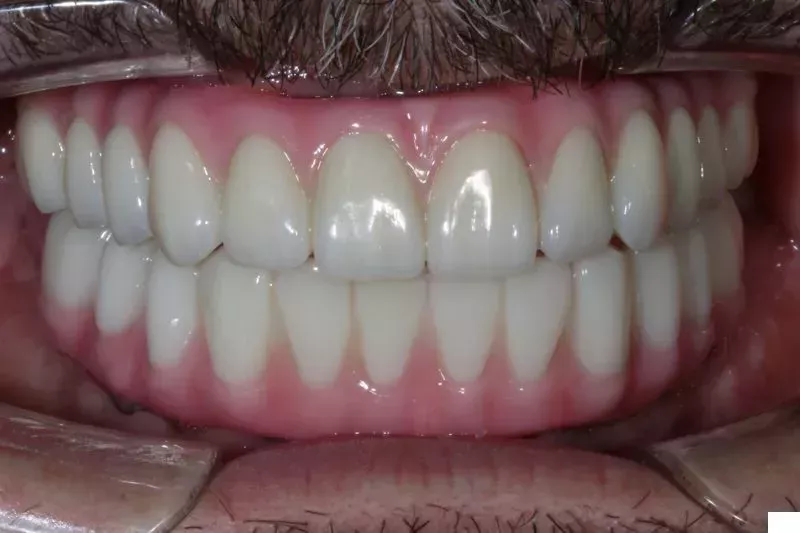
Before & After – Dental Implants
Contact Our Team Today
Whether you are interested in gum treatments, dental veneers, teeth straightening, dental implants, or any of our treatments, complete the short form below. Our team will get back to you promptly to discuss your smile goals and arrange a private consultation at a time that suits you.
TKC Dental are leaders in gum treatments, no-prep veneers, non-metal implants and teeth alignment. With interest-free payment options to help make treatment accessible. Enquire today and our team will provide honest, personalised guidance with no obligation.